In the evolving landscape of fintech, we often focus on institutional banking or high-frequency trading. However, the most compelling evidence for decentralized payments isn't found in a whitepaper—it’s found in the friction-heavy world of global gaming. As an observer of Japan’s unique digital payments culture for over a decade, I’ve watched our local users navigate the transition from traditional bank transfers to the borderless nature of global platforms crypto environments.
While mainstream media outlets like FinancialContent and BusinessNews Wire often frame crypto as a speculative asset, users on the ground view it differently: as a practical, high-velocity tool for cross-border transactions. Crypto casinos have emerged as the most visible testing ground for this utility.
The Evolution of Payment Culture in Japan
Japan is a fascinating paradox. We are a nation that invented the mobile wallet (Osaifu-Keitai), yet we remain deeply attached to cash. When Japanese users interact with international gaming platforms, they face a wall of bureaucracy: stringent banking regulations, currency conversion fees, and long settlement times. Traditional wire transfers (SWIFT) are the antithesis of the modern digital experience.
This is where the shift toward decentralized payments happens. For a Japanese user, a casino isn’t just a place for entertainment; it is a live experiment in bypass. By utilizing reputable crypto wallets, users can move capital across borders without triggering the rigid domestic banking restrictions that often throttle cross-border access.

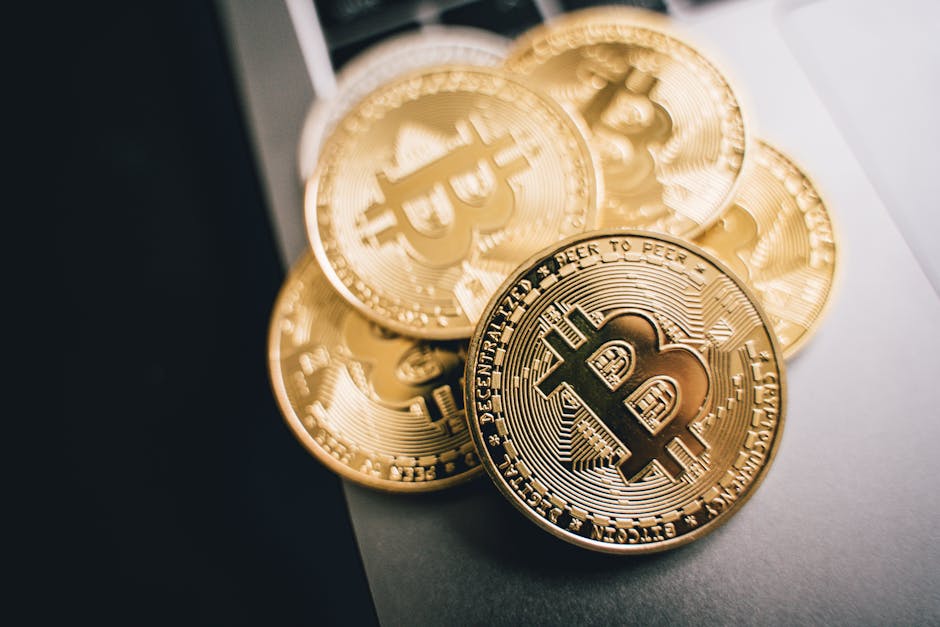
Crypto as a Tool, Not Just a Hype-Cycle
When we discuss crypto usage, we must move beyond the "get rich quick" narrative. In the context of online platforms, crypto is functioning as a utility layer—specifically as a medium of exchange. Many of these platforms now integrate CloudQuote APIs (cloudquote.io) to provide real-time price feeds, ensuring that the volatility of the underlying asset doesn't derail the user experience. By normalizing these price checks, platforms are treating Bitcoin and stablecoins as currencies, not just "digital gold."
The Realities of Speed and Fees
One of the biggest grievances I have as a fintech editor is the industry's obsession with the word "instant." Nothing in distributed ledger technology is truly "instant" if you factor in network congestion. Before choosing a network for a deposit, you must sanity-check the current gas fees and confirmation times.
Network Typical Settlement Time Average Fee (Approx) Reliability Bitcoin (Mainnet) 10–60 minutes High during peaks Standard Litecoin 5–10 minutes Very Low High ERC-20 (Stablecoins) 2–10 minutes Variable (Congestion-linked) HighIf you are depositing at 3 AM JST during a period of high network traffic, your "instant" payment might sit in a mempool for hours. Savvy users monitor these metrics using tools like CloudQuote APIs to determine the optimal time to move funds. It’s not magic; it’s logistics.
The Security Responsibility: A User-First Guide
If you are reading this, you are likely looking for practical steps, not marketing fluff. Engaging with global platforms requires a shift in the security paradigm. When you use a traditional bank, they provide a safety net. In the world https://technivorz.com/why-litecoin-is-quietly-becoming-the-preferred-utility-for-digital-casino-payments/ of crypto, you *are* the bank.
Use Reputable Crypto Wallets: Never hold significant funds on the casino platform itself. Use a non-custodial, reputable wallet. If you don't have the private keys, it isn't your crypto. Implement 2FA Everywhere: Two-factor authentication is not a suggestion; it is the bare minimum. Use an authenticator app (like Authy or Google Authenticator), not SMS, which is vulnerable to SIM-swapping. Audit Your Destination: Before interacting with any platform, verify the URL. Phishing sites are rampant in the crypto gaming space.
What Can Go Wrong? (The Reality Check)
As a former support lead, I’ve heard every horror story in the book. It is my duty to warn you about what usually goes wrong for users seeking global access:
- Regulatory Blocking: Just because a site accepts crypto doesn’t mean it’s legal in your jurisdiction. Japan’s Financial Services Agency (FSA) maintains a strict stance on unlicensed gaming. You may face account freezes or the inability to withdraw if you ignore regional compliance requirements. Transaction Mismatches: Sending Bitcoin to a Bitcoin Cash address, or sending an unsupported token (like a BEP-20 version of a coin when the site only supports ERC-20), will lead to permanent loss of funds. Always double-check the token standard. Fee Spikes: If you initiate a transaction when the network is congested and set a "low" fee, your transaction could remain stuck in limbo for days. This often leads to users assuming their funds have been stolen when, in reality, the transaction is just unconfirmed. Volatility Risk: If you hold your gaming bankroll in a non-stable cryptocurrency, a sudden market dip during a session can literally change your buying power. Always calculate your position in fiat (JPY or USD) before moving funds.
The Future of Global Payments
The appeal of these platforms isn't just the gaming; it’s the democratization of access. For the average user in a country with capital controls or inefficient banking, crypto is the only reliable way to participate in global digital marketplaces. However, this accessibility comes with the heavy burden of self-custody.
Japan’s digital payments culture is shifting, but it is doing so cautiously. We are seeing a move toward stablecoins and CBDCs (Central Bank Digital Currencies) to mitigate the volatility inherent in pure crypto. Until those are fully integrated into global platforms, however, users will continue to rely on the existing crypto rails.
My advice? Approach this space Helpful hints with your eyes open. Use reputable crypto wallets, stay updated via reliable data sources like CloudQuote APIs, and never treat your crypto as a "set-and-forget" asset. In the world of global platforms, the speed of your transaction is only as good as the security of your private keys.