I’ve spent the last decade reviewing deal memos and walking through dusty industrial estates from Croydon to Coventry. If there is one thing I’ve learned, it’s that the "recession-proof" tag thrown around by developers is usually a massive oversimplification. Yes, the UK self-storage sector has seen exponential growth over the last decade, but it isn't magic—it’s a response to how we live and work.
As an ex-facilities manager, I don't look at yield slides and see infinite upward growth. I look at the floor plan and ask: "Where is the loading bay?" and "Is there actually enough power for a packing station?" Let’s strip away the corporate buzzwords and look at how online retailers are actually using these units to stay lean.
The Urban Squeeze: Why Retailers are Moving In
Urbanization isn't just a trend; it's a spatial crisis. People are living in smaller flats with zero storage, and small-scale online retailers are getting priced out of traditional industrial warehousing. In the last ten years, self-storage has pivoted from "keeping grandma's sofa" to becoming the backbone of micro-fulfillment.
According to recent market analysis cited by Markets Insider, the demand for flexible space in the UK has skyrocketed as the barrier to entry for e-commerce has collapsed. It’s no longer about a big-box warehouse in the Midlands; it’s about having 200 square feet of dry, secure space three miles from your primary customer base.
How Online Retailers Use Units as Micro-Fulfillment Hubs
Retailers don't just store stock in these units; they build mini-warehouses. When I’m reviewing occupancy packs for regional operators like Optima Self Store, I’m looking for a specific mix of tenants. The successful ones aren't just holding excess Christmas stock; they are actively working out of the space.
The Typical "Storage-to-Store" Workflow:
- Inventory Management: Palletized stock is received and organized on racking systems. Small-Scale Fulfillment Storage: High-turnover items are kept at the front, low-turnover items at the back. Packing Materials Storage: This is a massive hidden space-killer. You need shelving for boxes, tape, bubble wrap, and printers. Order Assembly: The unit becomes a dedicated packing station for picking orders before courier collection.
The Tech That Makes It Possible
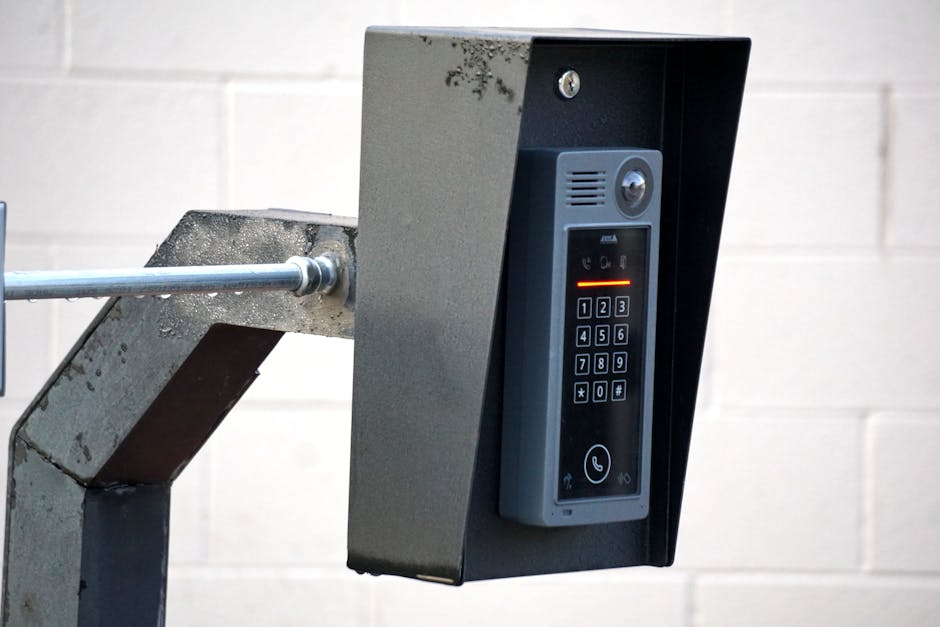
Ten years ago, managing a unit meant manual check-ins and keys that went missing every Tuesday. Today, the operational overhead is significantly lower thanks to two key innovations:

The Hidden Costs (What the Brochures Won't Tell You)
Every time I look at a site selection note, I look for the line items that operators "forget" to emphasize. If you are a retailer looking for a unit, watch out for these:
Expense Item Why it hurts Service Charges Often opaque. Are they cleaning the loading docks or just the reception? Insurance Uplift Standard storage insurance rarely covers commercial inventory value. Electricity Surcharges If you’re running thermal printers and laptop chargers, check your contract. Waste Disposal "Take your cardboard away." If you’re fulfilling 50 orders a day, that adds up fast.A report from FinanceWire noted that the recurring revenue model of these sites is a goldmine for investors because of this "stickiness." Once you've set up your racking and moved your inventory, moving out is a nightmare. That is a great business model for the local competition self storage storage company, but a potential trap for the retailer if the service quality drops.
The Essential Question: What is the local competition within a 10-minute drive?
I cannot stress this enough. If you are a retailer, do not just look at the facility you are in. Look at the surrounding radius. Is there another facility offering better access hours? Is there one with a loading bay that actually fits a tail-lift truck?
If there are three other self-storage sites within a 10-minute drive, the facility you are considering is likely more motivated to offer you flexible terms on your lease. Never sign a long-term agreement without checking the competitor's pricing for the same square footage. The market is saturated in some areas and barren in others—understand which camp your site falls into.
Moving Past the "Recession-Proof" Hype
Be skeptical of anyone telling you this is "easy money." The reality of running a fulfillment operation out of a storage unit is high-intensity. You are dealing with humidity, fire safety compliance, and the constant friction of moving stock in controlled access storage and out of tight corridors.
However, when done right, it provides a level of agility that big industrial leases simply cannot match. You have no long-term debt, no complex business rates to negotiate, and the flexibility to pivot your business model as consumer habits shift. Just make sure you’re looking at the actual facility, not the glossy sales deck.
Before you commit, go there. Take a tape measure. Watch a loading bay for 20 minutes and see how many people are trying to use it at once. That is the true measure of whether a unit will work for your business.