Investing in workplace amenities is often viewed through the lens of employee comfort or compliance—but what if we reframed restroom upgrades as a strategic retention business case? As someone with over a decade of experience in HR operations and partnering with facilities teams, I’ve witnessed firsthand how improvements to restrooms can tangibly enhance the employee experience ROI by reducing small but potent frictions that chip away at workplace satisfaction. This post explores the key themes, practical considerations, and data-backed arguments you can leverage to position restroom upgrades as an essential retention investment.
Dignity at Work Through Restroom Access
Restrooms are not merely functional spaces; they are a fundamental dimension of dignity at work. When your employees feel their basic needs are respectfully met—including safe, clean, and functional restroom access—it sends a powerful signal that their wellbeing matters.
Unfortunately, many workplaces treat restrooms as an afterthought. This neglect can manifest in inadequate stall privacy, insufficient space for belongings, lack of cleanliness, or poorly maintained locks. These “small frictions” might appear trivial, but over time they accumulate and contribute to dissatisfaction and disengagement.
- Privacy: Stall doors that don’t close properly or gaps that expose occupants undermine privacy and comfort. Space for Bags and Coats: Workplaces often forget that employees carry personal belongings—which need safe, accessible space inside restrooms to avoid inconvenience and security concerns. Cleanliness and Maintenance: Restrooms that are poorly kept communicate neglect and disrespect.
Making dignity a cornerstone of restroom design fosters a culture of respect and demonstrates that the organization values even the smallest aspects of employee experience.
Period-Friendly Facilities: Practical and Inclusive
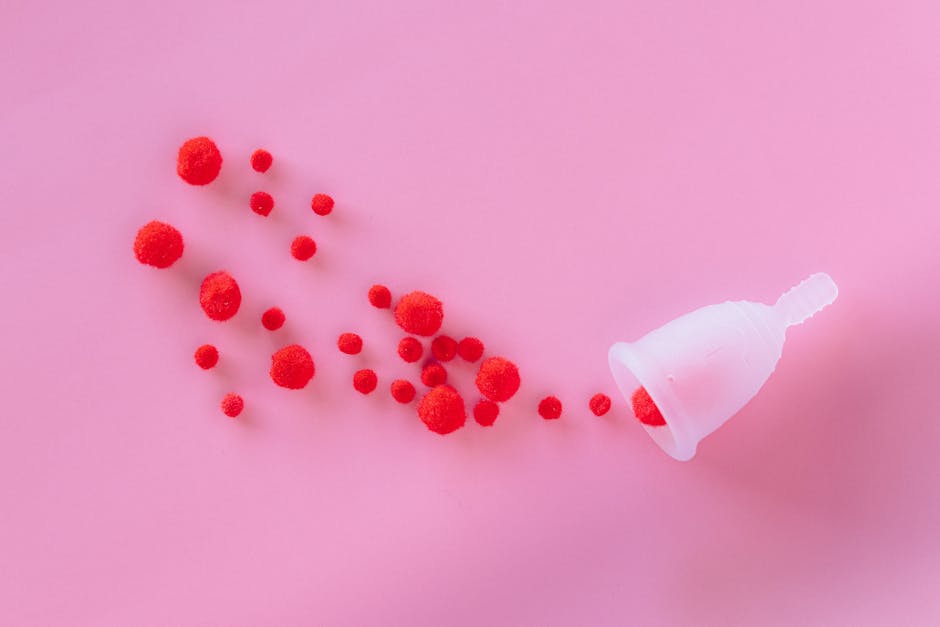
One aspect gaining deserved attention is the need for period-friendly facilities. Menstrual health is a basic human necessity, and access to appropriate restroom accommodations directly influences comfort, productivity, and retention—especially for people who menstruate.
- Providing free menstrual products within restrooms is an increasingly recognized industry best practice. These products cost the company pennies but signal a meaningful commitment to employee wellbeing. Design considerations include space to dispose of menstrual products safely and hygienically, alongside proper plumbing and receptacles.
Organizations that ignore this often-overlooked need risk alienating a substantial portion of their workforce and inadvertently perpetuating stigma. According to resources on SHRM, investing in this area can reduce absenteeism and signal inclusivity, enhancing retention for menstruating employees.
Free Menstrual Products: A Low-Cost Signal of Care
The ROI of providing free menstrual products is disproportionate to its cost. A single-dollar investment per employee per year can improve morale, reduce discomfort-related distractions, and build trust between workers and leadership.
This simple gesture has an outsized impact:
Demonstrates empathy—showing the company understands employees’ real needs beyond the surface. Improves employee experience—when basic necessities are met, employees feel safer and more supported. Encourages retention—employees are less likely to leave a workplace that invests visibly in their daily comfort and dignity. clean restroom standards at workWithin the HR.com community blog platform, numerous HR professionals have shared success stories of rolling out free menstrual products and the positive impact on employee perceptions and turnover.
Stall Privacy, Locks, and Usable Space: The Often-Overlooked Details
While high-level amenities grab headlines—think designer coffee bars or nap https://stateofseo.com/what-should-a-servicing-schedule-for-menstrual-disposal-look-like/ pods—the devil is in the details when it comes to restrooms. These spaces are intimate and personal; therefore, their design must honor that reality to be effective in improving retention.
Design Element Why It Matters Retention Impact Stalls with Full-Length Doors Enhances privacy, reduces anxiety during restroom use Fosters trust and lowers discomfort, reducing negative job experience Secure, Functioning Locks Ensures psychological security, prevents awkward interruptions Increases employee comfort, signals attention to detail and care Space for Personal Items (Coats, Bags) Allows convenient storage, reduces clutter and stress Improves user satisfaction, lessens friction during busy workdaysNeglecting these small but critical factors can silently erode employee trust and engagement, which ultimately drives turnover. On the flip side, facilities teams that proactively address these details contribute directly to enhanced workplace amenities that employees appreciate and remember.
Making Your Retention Business Case: A Practical Approach
To convince leadership that restroom upgrades are a worthwhile retention investment, follow these steps:
Gather Employee Feedback: Use surveys or focus groups to collect candid insights about existing restroom pain points. This provides direct evidence of employee needs and frustrations. Quantify the Impact: Link restroom issues to broader retention metrics—higher turnover rates in teams reporting poor restroom facilities, increased absenteeism, or lower engagement scores. Highlight Small Frictions: Frame restroom inadequacies as “small frictions” that quietly degrade the employee experience over time. Showcase Industry Trends: Reference data and best practices from trusted sources like SHRM and HR.com demonstrating that top companies consider restroom quality a key driver of retention. Propose Practical Upgrades: Emphasize affordable changes with high impact, such as improving stall privacy, installing locks, adding menstrual product dispensers, and creating space for belongings. Calculate ROI: Use conservative estimates of reduced turnover costs and increased engagement to project the ROI of these upgrades.Framing your argument in human-centric as well as business-relevant terms will resonate both emotionally and pragmatically with decision-makers.
Conclusion
Restroom upgrades are not frivolous or peripheral; they’re fundamental investments in employees’ dignity and comfort. When thoughtfully designed with privacy, inclusivity, and usability in mind, these improvements can yield meaningful returns in retention, engagement, and overall workplace morale.
By leveraging employee feedback, industry research, and practical ROI analyses, you can build a compelling retention business case that elevates restrooms from afterthought to strategic asset—signaling to your workforce that their wellbeing is truly a priority.
Ultimately, restrooms matter. Investing in them signals respect and care, reducing the “small frictions” that too often lead talented people to quietly walk away.

For further reading and resources, visit the SHRM website and the HR.com community blog platform.
```