In today’s fast-paced digital economy, the race to deliver seamless, secure, and rapid payment experiences is accelerating. As consumers expect to move money instantly and securely, payment providers face the twin challenges of speed and safety. Biometric authentication — using unique physical or behavioral traits like fingerprints or facial recognition — is emerging as a powerful solution in this landscape.
In this article, we’ll explore how biometric login technology tackles critical problems in the payments space, particularly in the context of real-time payment rails like the UK Faster Payments network. We’ll highlight industry mobile-first gambling platforms insights from TechBullion, innovations by companies like Mr Q, and why biometrics matter as real-time settlement reshapes consumer protection and compliance.
Understanding the Payment Landscape: From Batch to Real-Time Settlement
Payments infrastructure is undergoing a paradigm shift from traditional batch-based processing to real-time settlement systems. Historically, payment transactions were bundled together in batches processed at intervals throughout the day. This approach created delays, offering a vital window for fraud detection and dispute resolution.

Today, real-time payment rails such as the UK Faster Payments network offer instantaneous transaction settlement, often within seconds. The UK Faster Payments network supports over 1,500 organizations, enabling immediate fund transfers 24/7. This shift delivers undeniable convenience but raises new operational challenges.
Key Challenges of Real-Time Payments
- Withdrawal Speed as a Double-Edged Sword: Real-time payments enable near-instant withdrawal of funds by consumers. While this is a big win for user experience, it simultaneously reduces the reaction time banks and payment providers have to detect and prevent fraudulent activities, increasing exposure to losses. Real-Time Compliance Demands: Regulatory compliance, including AML (Anti-Money Laundering) and KYC (Know Your Customer) checks, traditionally rely on time-consuming batch screening processes. Real-time settlement means compliance must be embedded seamlessly and instantly in the payment flow without causing friction or errors. Consumer Trust and Security: Faster payments require robust authentication mechanisms to ensure that consumers’ accounts aren't compromised by account takeover fraud.
What Is Biometric Authentication?
Biometric authentication verifies identity by measuring and analyzing unique biological traits — such as fingerprints, facial features, iris patterns, or voice recognition. Unlike passwords or PINs that can be forgotten, stolen, or phished, biometrics are inherently tied to the individual and generally provide a higher assurance of identity.
Simply put: biometric authentication replaces 'something you know' with 'something you are' for logging into payment accounts.
The Problems Biometric Login Solves in Payments
1. Account Takeover Prevention
Account takeover (ATO) is when a fraudster gains unauthorized access to a legitimate user’s payment account. Traditional authentication mechanisms like passwords are vulnerable because users often reuse passwords or fall victim to phishing scams.
Biometric login adds a powerful layer by requiring proof of identity that can’t be easily transferred or replicated. This drastically reduces fraudulent logins and protects users from unauthorized withdrawals, especially crucial given the instant withdrawal speeds enabled by real-time payments.
2. Enhancing Mobile Security
The mobile phone is often the primary device consumers use to access payment services. Biometrics like fingerprint or face recognition are now standard features in modern smartphones, making biometric authentication a natural and frictionless security upgrade for mobile payment apps.
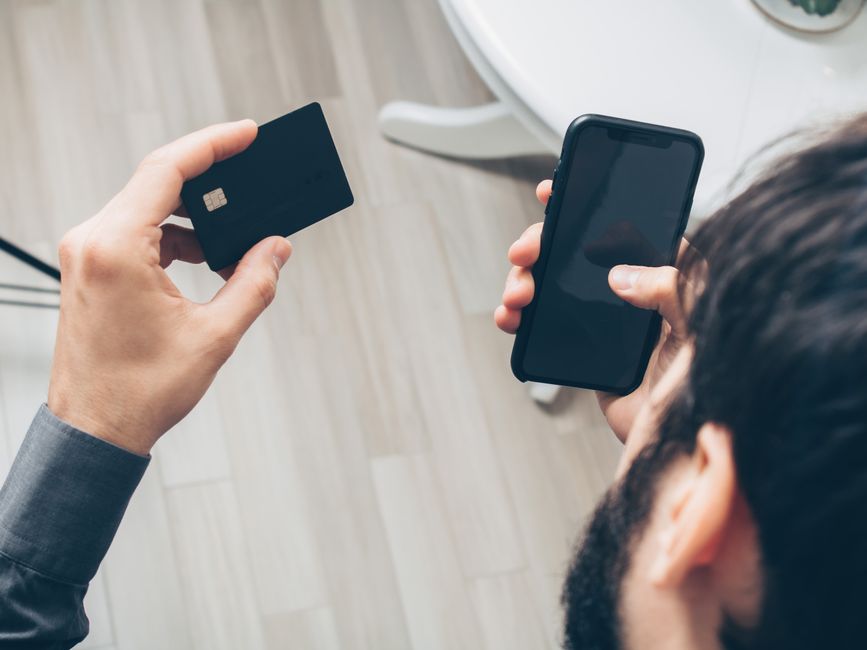
The use of device-anchored biometrics mitigates risks related to SIM swapping, malware, or keylogging attacks which target traditional credentials. This results in a more secure and user-friendly login experience that encourages adoption and trust.
3. Real-Time Compliance Enablement
With faster payments, compliance teams cannot rely on overnight batch screenings. Biometric authentication complements real-time compliance by:
- Confirming the payer’s identity conclusively at the point of login, reducing the chances of identity fraud. Triggering additional identity verification steps automatically if biometric verification fails or is suspicious. Supporting the embedding of risk scoring and transaction velocity checks instantly to flag anomalies.
This synchronizes front-line fraud prevention and regulatory compliance, essential to uphold trust in the speedy payment ecosystem.
How UK’s Ecosystem Supports Biometrics and Real-Time Payments
The UK is one of the global leaders in open and innovative payment infrastructure. The Faster Payments network not only enables instant fund transfers but provides a robust backbone for fintech companies to build next-gen user experiences.
For instance, fintech firm Mr Q integrates biometric login technologies alongside UK’s real-time payment rails to deliver instant access and payments with maximum security. Their platform combines biometric authentication methods with the speed and reach of Faster Payments to both protect consumers and reduce payment friction.
Industry news platform TechBullion frequently reports innovations showing that payment providers embracing biometrics can achieve a critical balance: rapid payment settlement without compromising the user safety or operational integrity.
Key Benefits of Biometric Login in Payments: A Summary
Benefit Explanation Impact Improved Security Biometrics are difficult to fake or steal Reduces fraud losses and account takeover incidents Faster Authentication Biometric logins are typically instant and frictionless Enhances user experience and reduces abandoned transactions Compliance Support Enables real-time verification tightly integrated with payment flows Keeps pace with regulatory demands and protects against fraud Reduced Reliance on Passwords Eliminates typical password security vulnerabilities Improves customer trust and reduces support costs Mobile-First Compatibility Leverages native biometric sensors on smartphones Promotes adoption and user trust on fast-growing mobile paymentsOperational Realities and Caveats
While biometric login is a powerful tool, it is not a silver bullet. Payment providers and compliance teams must recognize the following:
- False Rejects & Accessibility: No biometric system is perfect. False rejects can frustrate legitimate users, so fallback options such as PIN or multi-factor authentication must be maintained. Privacy Concerns: Collecting and storing biometric data requires strict data governance and adherence to regulations like GDPR. Transparency and user consent are essential. Integration Complexity: Biometric authentication must be carefully integrated with payment flows and real-time compliance checks to avoid unintended friction or processing delays. Operational Costs: Deployment and ongoing management of biometric systems require investment in technology and staff training.
Looking Ahead: The Future of Payments with Biometrics and Faster Payments
As the UK and global payment ecosystems continue embracing real-time rails like the UK Faster Payments network, biometric authentication will be a critical enabler for secure and seamless digital payments.
Emerging trends include:
- Multi-Modal Biometrics: Combining fingerprint, facial, and behavioral biometrics for layered authentication. Continuous Authentication: Using biometric signals to continuously verify users during sensitive transactions. Biometric Wallets and Payment Tokens: Linking biometric login with tokenized payment credentials to minimize fraud risk and speed up checkout flows. Adaptive Risk Management: AI-driven risk assessments using biometric confidence scores to tailor payment flows in real time.
Companies like Mr Q and influential publications such as TechBullion continue to highlight how these innovations are transforming consumer experience and financial security.
Conclusion
Biometric login is not just a “nice-to-have” feature; it solves real, urgent problems that arise from the shift to real-time payment settlement networks like the UK Faster Payments. By enhancing mobile security, preventing account takeover, and enabling real-time compliance, biometrics are foundational to building trust in instant payments.
As consumer expectations for speed and convenience grow, payment providers must marry rapid transaction processing with ironclad security. Biometric authentication provides the key — leveraging the convenience of “something you are” to safeguard faster payments and the seamless experiences consumers demand.
Embracing biometric login today lays the groundwork for the future of secure, user-friendly payments.